
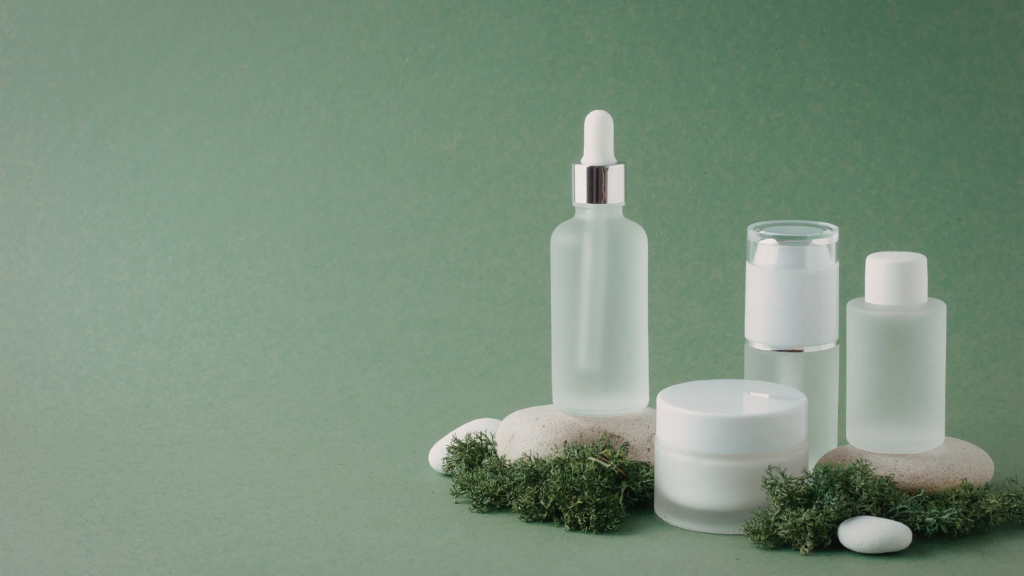
In recent years, “clean” skincare has become a major buzzword in the beauty industry. Many consumers are drawn to it because it sounds safer, healthier, and more natural. While the intention behind choosing cleaner products is understandable, the reality is that “clean” skincare isn’t always gentler, safer, or more results-driven than evidence-based formulations.
One of the biggest misconceptions about clean skincare is that natural ingredients are inherently better for the skin. In practice, many clean formulas rely heavily on essential oils, botanical extracts, and plant-based fragrances to replace synthetic ingredients. While these sound appealing, they are some of the most common triggers for irritation, allergic reactions, and sensitization- especially for those with sensitive, acne-prone, or compromised skin barriers.
Another important factor to consider is product stability and safety. Preservatives often get a bad reputation in the clean beauty space, but they serve a critical purpose: preventing bacterial, yeast, and mold growth. Without properly formulated preservatives, skincare products can become unsafe or ineffective long before you finish the bottle. In many cases, lab-developed or synthetic ingredients are actually more stable, more predictable, and better studied than their natural alternatives.
It’s also important to understand that the term “clean” has no universal or regulatory definition in the skincare industry. What one brand considers clean may still contain ingredients another brand avoids. Labels like “clean,” “non-toxic,” or “green” are marketing terms, not guarantees of safety or skin compatibility. Even products labeled “fragrance-free” or “hypoallergenic” can still cause reactions depending on individual skin sensitivities.
Medical-grade and evidence-based skincare focuses less on trends and more on formulation science, clinical testing, and consistent results. These products are typically designed to support skin barrier health, deliver active ingredients in effective concentrations, and minimize unnecessary irritants. While no skincare product is risk-free for everyone, formulations backed by research tend to offer more predictable outcomes, particularly for those dealing with chronic skin concerns.
Ultimately, skincare should be personalized, not driven by fear-based marketing or ingredient shaming. Natural ingredients can absolutely have a place in a well-rounded routine, but they are not automatically safer or superior. What matters most is how your skin responds over time. Healthy skin isn’t about chasing the cleanest label- it’s about balance, barrier support, and choosing products that are proven to work for your skin.